SquareMethods
SquareMethods is an innovative solution that harnesses the power of digital technology to enhance capability building and preserve tribal knowledge through the implementation of digital standard working principles.
Most CMMS systems answer: “What work needs to be done?” But they often don’t answer: “How should the work be done?” That’s where many organizations struggle. Scheduling maintenance is important.
Imagine two plants with identical equipment. Plant A relies on memory. Plant B relies on structured maintenance knowledge. Both hire skilled technicians. Both use a CMMS. Both have PM programs.
Most technicians are asked to perform maintenance. Very few are given the knowledge needed to perform it consistently. A work order says: “Inspect bearings.” Okay. What should they inspect? What
Why PMs fail. Because many PMs were never designed from failure modes. Instead, they were copied from: Good PMs answer three questions: Without that logic, PMs become paperwork. And paperwork
Your most important maintenance asset may not be a machine. It may be a person. And that’s a problem. If your reliability depends on one senior technician, you don’t have
A maintenance planner once told me: “Our PM program is over 90% compliant.” I asked a simple question: “Are the PMs actually preventing failures?” PM compliance measures activity. Reliability measures
Why do the same failures keep happening? Because many organizations repair equipment but never repair the knowledge system. Machine fails.Technician fixes it.Production resumes. Everyone moves on. But nobody updates: Three
Most plants don’t have a maintenance staffing problem. They have a maintenance knowledge problem. When a machine fails, the response is often: “We need more technicians.” But adding technicians to
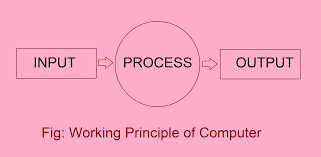
A strong teaching approach to working principles is to describe a top-down understanding funnel, which engineers and operators grasp very quickly because it moves from system context → function → physics.
Your plant deserves a reliability system, not just a reliability event. If you’ve been following this series — thank you.Here’s the short version of everything I’ve shared: Most downtime is