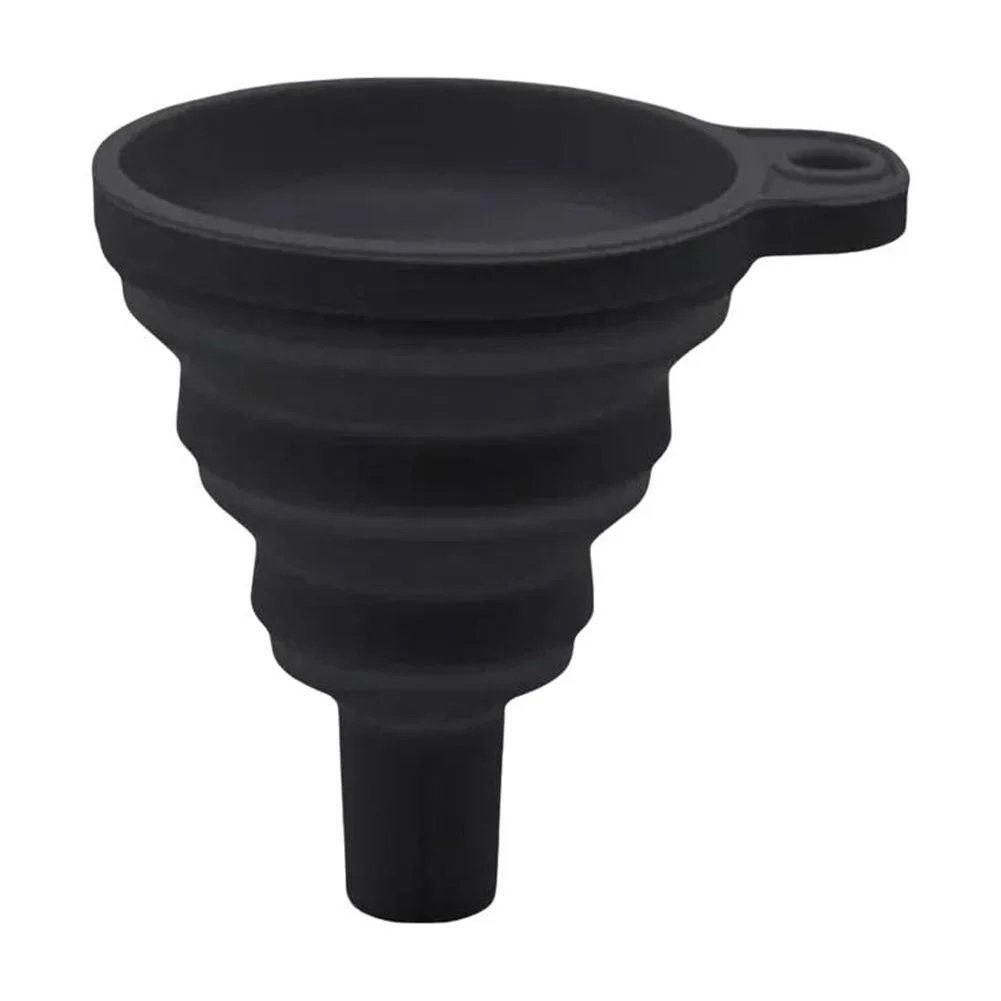
A strong teaching approach to working principles is to describe a top-down understanding funnel, which engineers and operators grasp very quickly because it moves from system context → function → physics.
Using this flow: Process Map → Operating Principle → Working Principle is excellent for line managers, process engineers, and team leaders.
The Funnel Approach to Understanding Equipment
1. Start with the Process Map (System Level)
Begin with the big picture.
Show them where the equipment sits in the overall production process.
Explain:
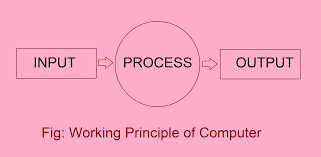
- What comes into the process
- What transformation happens
- What goes out
A simple framing question works well:
“What role does this machine play in the entire process?”
At this level they should understand:
- Inputs
- Outputs
- Process flow
- Where losses can occur
This is essentially system thinking.
2. Move to the Operating Principle (Functional Level)
Now zoom into the machine.
The operating principle explains how the machine performs its function within the process.
Here you describe things like:
- motion
- sequencing
- control logic
- process conditions
Example elements:
- rotation
- compression
- heating
- conveying
- timing
A good question here is:
“What must this machine do in order to transform the input into the output?”
This level focuses on function and operation, not physics yet.
3. Finally Explain the Working Principle (Physics Level)
Now you go to the deepest level.
The working principle explains the scientific or physical law that allows the machine to work.
Examples:
- pressure differential
- centrifugal force
- friction
- electromagnetic induction
- thermal expansion
Ask:
“Why does this mechanism actually work?”
This is where engineers connect to physics and engineering fundamentals.
Why Your Funnel Method Is Powerful
It follows how people naturally understand systems:
Context → Function → Science
or
Process → Machine Behavior → Physical Law
This prevents the common mistake where people jump directly into physics without understanding the process.
How It Links to Problem Solving
Once people understand these three layers, troubleshooting becomes much easier.
Failures can occur at three levels:
1️⃣ Process issue
Wrong inputs or upstream problems
2️⃣ Operating issue
Incorrect settings, sequencing, or operation
3️⃣ Working principle failure
Component failure affecting the physics of operation
This structure connects perfectly with Root Cause Analysis and Kaizen.