Standard Operating Procedures: 5 Reasons Why You Need Them
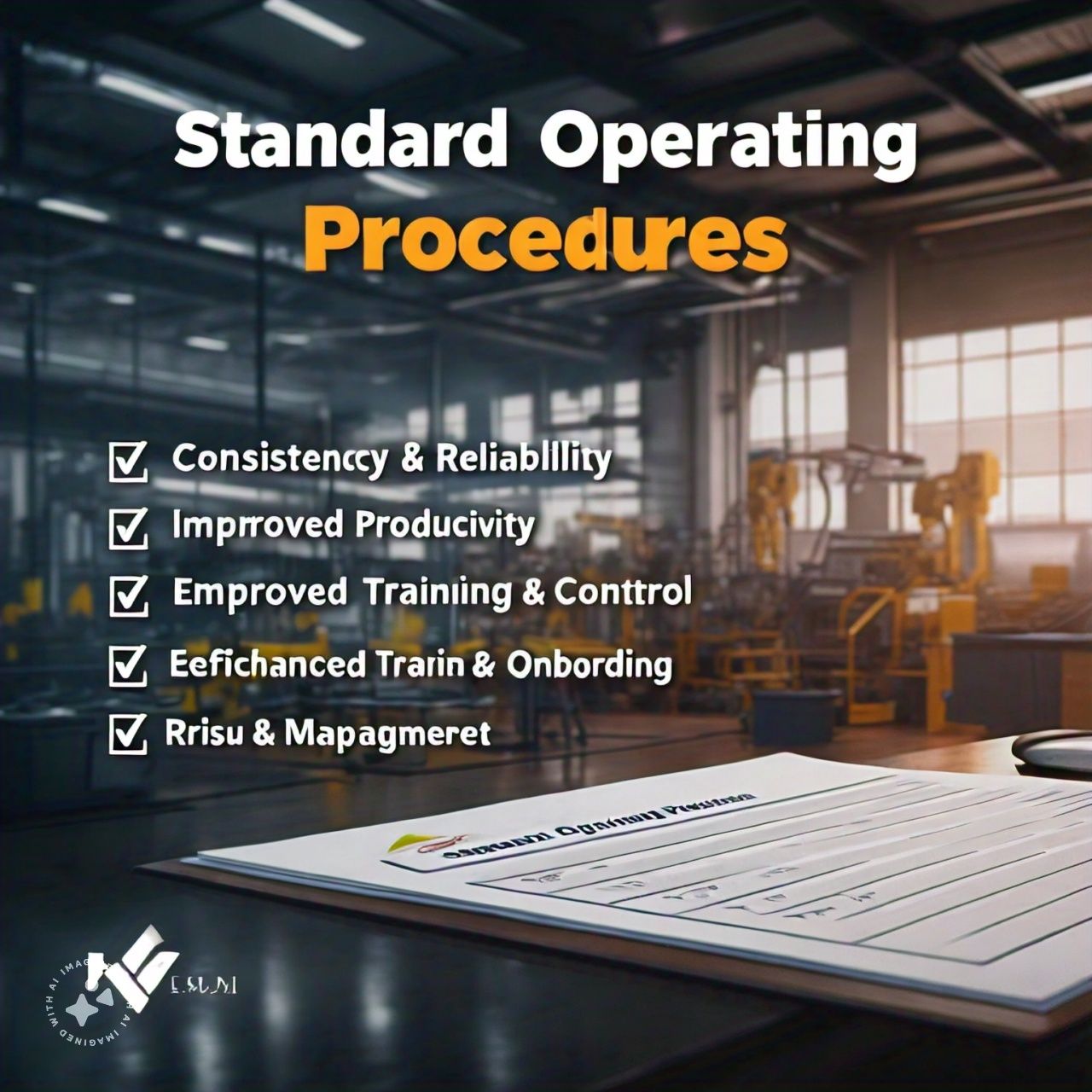
In the world of business and industry, consistency and efficiency are key drivers of success. Standard Operating Procedures (SOPs) are essential tools that help organizations achieve these goals. SOPs are documented processes that ensure tasks are completed correctly and consistently, providing a framework for operational excellence. Here are five compelling reasons why your organization needs SOPs:

1. Consistency and Quality Control
One of the primary benefits of SOPs is the consistency they bring to an organization. By standardizing processes, SOPs ensure that tasks are performed the same way every time, regardless of who is completing them. This uniformity is crucial for maintaining quality control. When employees follow the same steps, the end product or service is more likely to meet quality standards, reducing variability and increasing reliability.
2. Training and Onboarding
SOPs serve as valuable training tools for new employees. They provide clear instructions on how to perform tasks, which helps new hires get up to speed quickly. With SOPs in place, training is more structured and less reliant on the availability of seasoned employees to provide one-on-one guidance. This not only shortens the onboarding process but also ensures that all employees are trained to perform tasks in the same manner, promoting consistency from the start.
3. Improved Efficiency and Productivity
When employees have a clear understanding of how to perform their tasks, they can work more efficiently. SOPs eliminate confusion and reduce the time spent figuring out what to do next. By following a set process, employees can complete tasks faster and with fewer errors. This streamlined approach enhances productivity, allowing the organization to achieve more in less time.
4. Compliance and Risk Management
In many industries, compliance with regulations and standards is mandatory. SOPs ensure that processes are documented and followed in accordance with these requirements. This not only helps in passing audits and inspections but also mitigates risks associated with non-compliance, such as fines and legal issues. Additionally, SOPs can outline safety protocols and emergency procedures, reducing the likelihood of accidents and ensuring a safer work environment.
5. Continuous Improvement
SOPs provide a baseline for evaluating and improving processes. By documenting current practices, organizations can identify areas for improvement and make data-driven decisions to enhance efficiency and quality. Regularly reviewing and updating SOPs ensures that they remain relevant and effective, fostering a culture of continuous improvement. Employees can also provide feedback on SOPs, contributing to the evolution of best practices within the organization.
Conclusion
Standard Operating Procedures are more than just a set of instructions; they are foundational to an organization’s success. By ensuring consistency, enhancing training, improving efficiency, ensuring compliance, and fostering continuous improvement, SOPs play a critical role in operational excellence. Implementing and maintaining effective SOPs is an investment that pays off in terms of quality, productivity, and overall organizational performance.

Embrace the power of SOPs and watch your organization thrive with enhanced efficiency, consistency, and quality. Start documenting your processes today and pave the way for a smoother, more productive tomorrow.